„Computers are useless. They can only give you answers.“
Pablo Picasso was also part of the Ennoia Symposion, which took place in Berlin from June 3–5. At least in spirit — through his quote, referenced in a recap post by Arnon Hershkovitz.

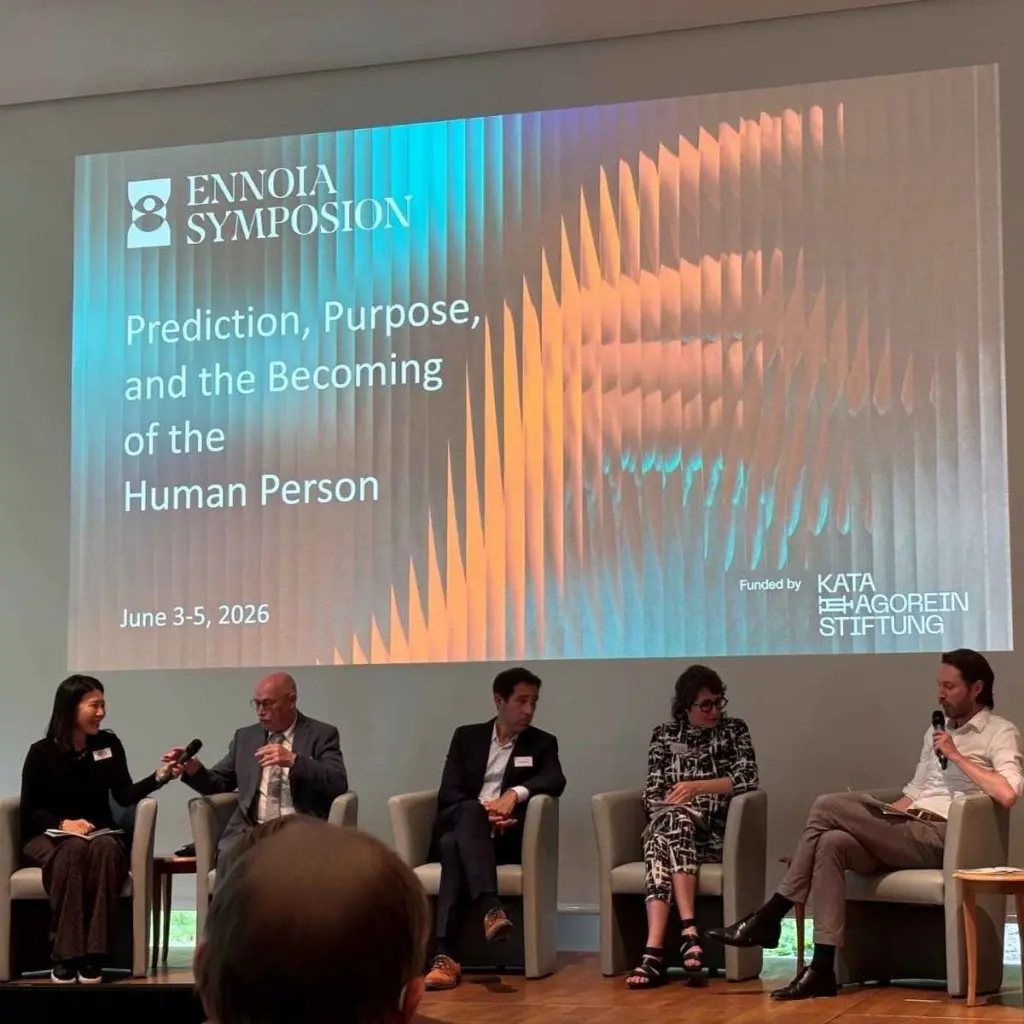
Pablo Picasso was also part of the Ennoia Symposion, which took place in Berlin from June 3–5. At least in spirit — through his quote, referenced in a recap post by Arnon Hershkovitz.
In the age of generative AI, his words have taken on a new urgency. Because more important than the answers that LLMs increasingly provide us with are the questions we ask. Not just around AI, but above all of ourselves. For those who stop questioning themselves and the world around them, stop thinking altogether.
This thread of thought was what set the Symposion apart from other conferences: the focus was not on results, but on questions. Rather than certainties, speakers and participants embraced productive uncertainty — and examined the relationship between humans and AI.
Prof. Hiroshi Ishiguro (University of Osaka), for example, delegated his own presence at Expo 2025 to a robotic double — trained on his research — which answered questions about his work more patiently than he ever could. Who was truly present there? The human or the machine?
So what was the outcome of these three days? Many questions, no answers?
Above all, this insight: the decisive question is not „What can AI do?” But rather: “What defines us as human beings — and what can no AI ever take over?”
The Ennoia Symposion was therefore not a conference that produced concrete answers.
It was the beginning of a conversation.
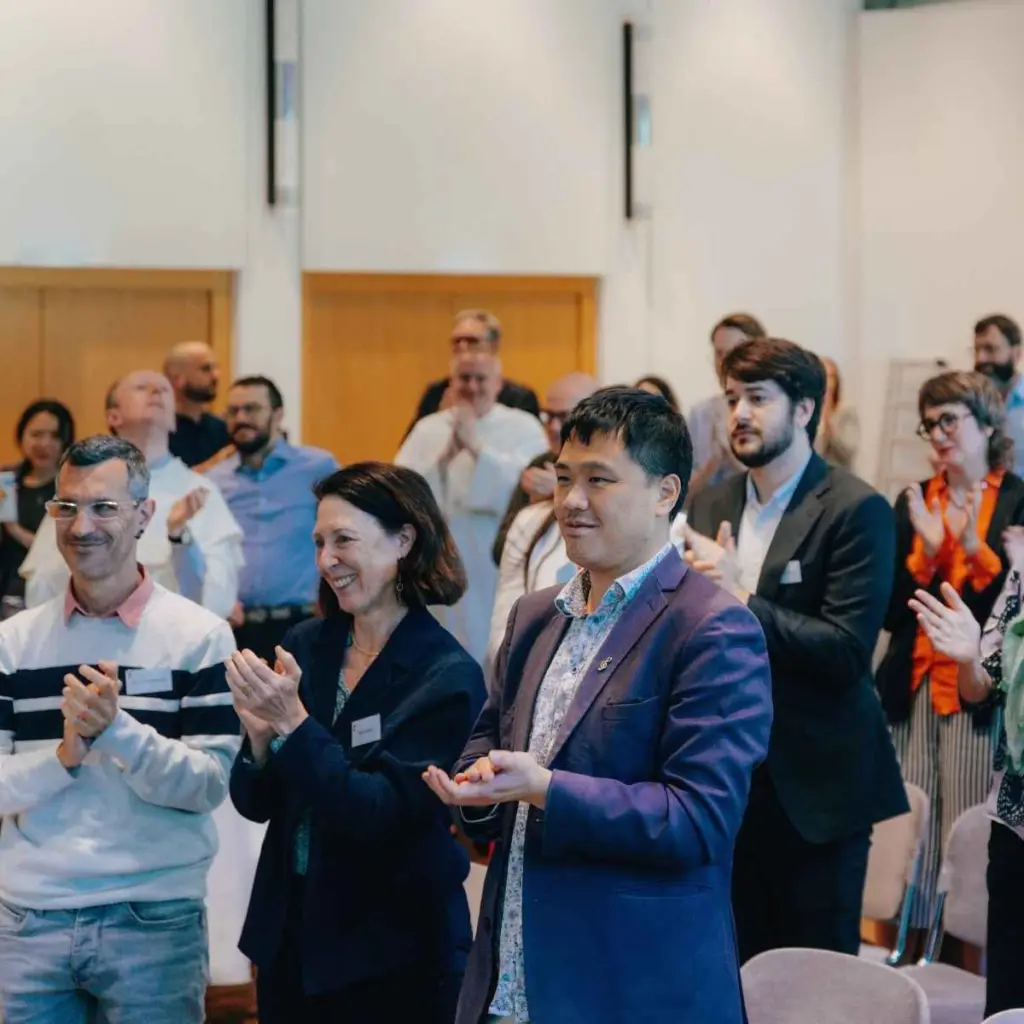
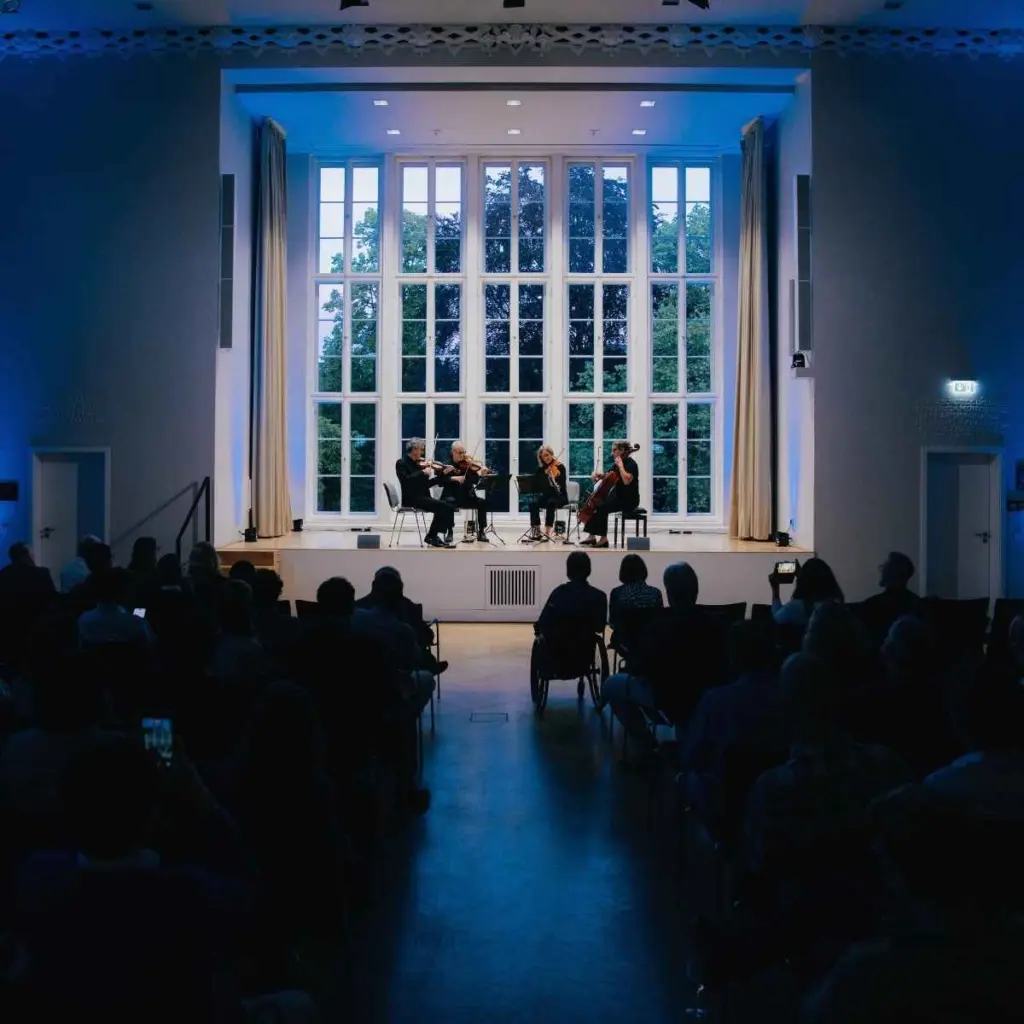
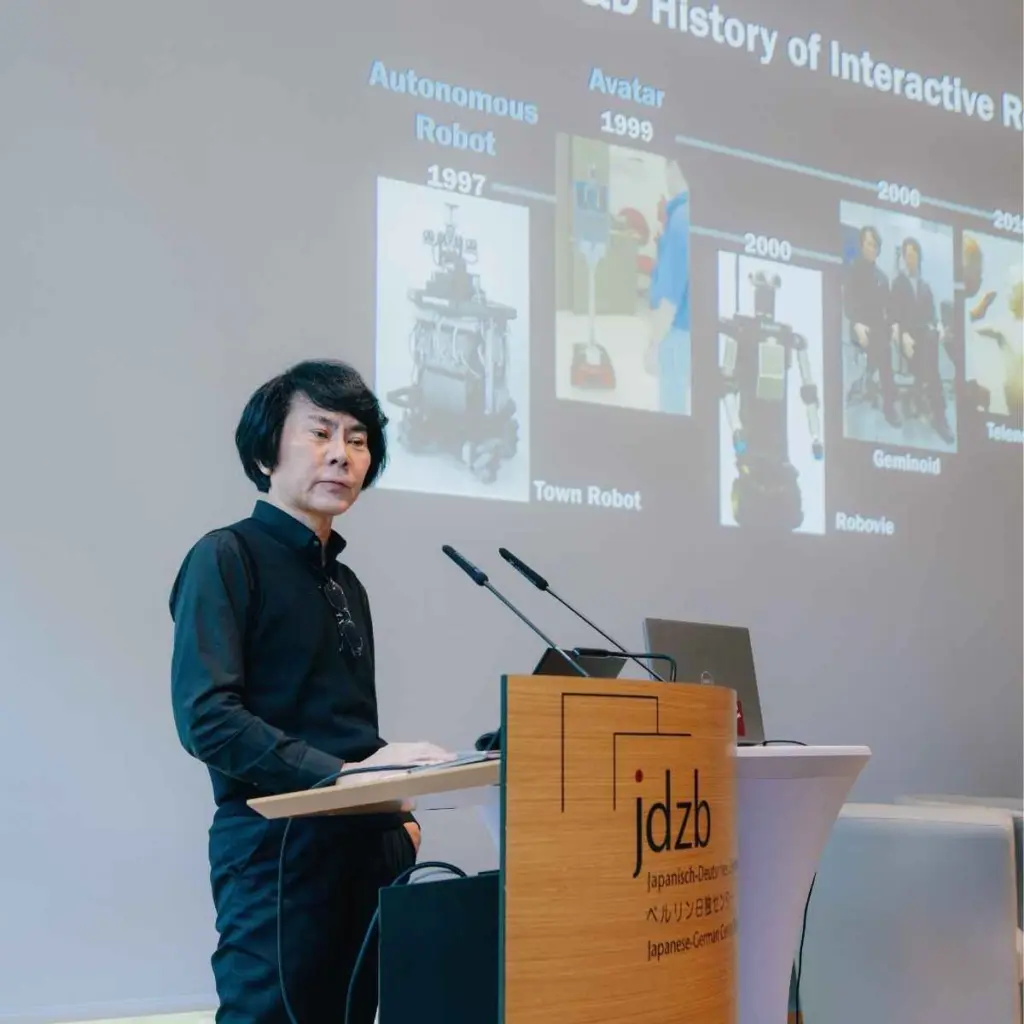
Pictures: Juliane Haerendel

Werde Teil unseres Netzwerks und folge uns auf für regelmäßige Einblicke in unsere Arbeit und Infos zu aktuellen Veranstaltungen.